Why Winter in Dubai Tightens Your Muscles and How Massage Restores Warmth

The body rarely “asks permission” before reacting to the weather. The air is drier today, cooler tomorrow, and hot again the day after tomorrow, and somewhere between these temperature fluctuations, muscle stiffness, joint pain, and a feeling as if mobility has become less than it was a week ago appear. The climate is quiet but persistent: It changes blood circulation, affects blood circulation in the extremities, increases chronic tension and pushes to fatigue. And if you add a sharp transition from low activity to intense exertion, then the risk of injury becomes not an abstraction, but a very real scenario.
Cold, Dry Air And “Freezing” Of Mobility

When the temperature drops, the muscles reflexively contract, trying to keep warm. This is a natural adaptation of the body, but you have to pay for it: flexibility decreases, tissue elasticity worsens, and joint mobility becomes noticeably more modest. The blood flow also behaves differently. Blood circulation slows down, joints need more time to “warm up,” and old injuries often bring back unpleasant pulling pain.
Dry air increases the feeling of discomfort. It does not “break” joints directly, but creates a background against which inflammation and tension are perceived more vividly. There are spasms, cramps, a feeling of tightness in the calves and lower back. Sometimes it’s in the shoulders and neck, especially if the day was spent at the computer and the muscles were in prolonged static contraction.
And there is one more detail that many underestimate: the extremes of heat and cold. Getting out of a warm (or hot) space into cold, air-conditioned air is a harsh command for vessels. First the expansion, then the rapid contraction. Such a “swing” is able to maintain muscle tension and interfere with the natural relaxation of tissues.
Heat, Dehydration, And Electrolytes: Why It Pulls And Cramps
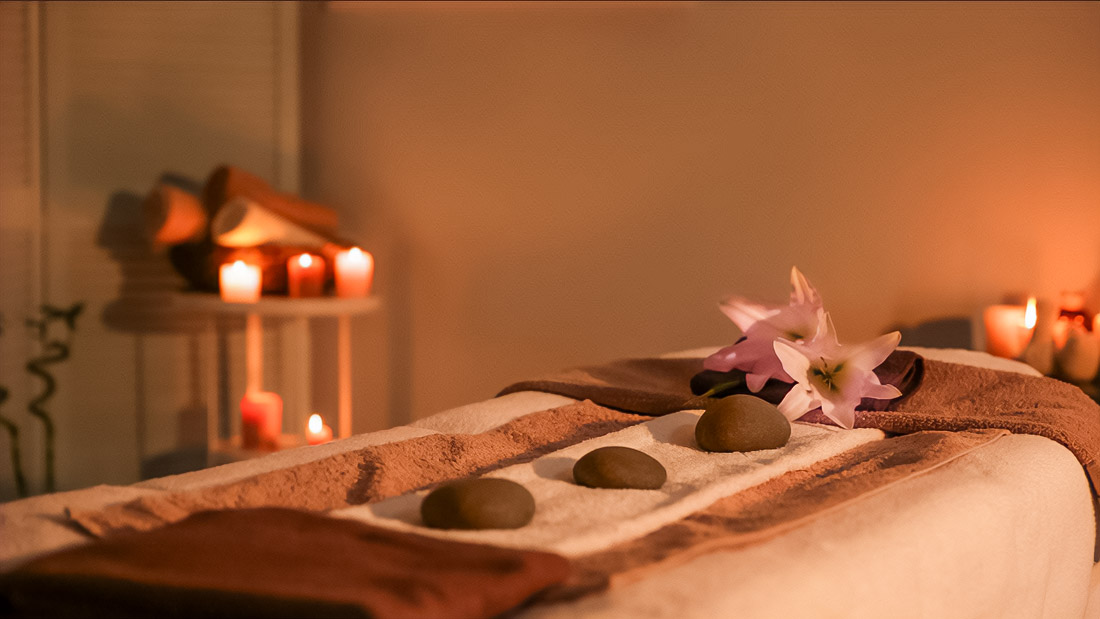
High fever is not only a discomfort. With heat that can exceed 40-45 °C, dehydration becomes the main hidden factor of muscle problems. The water is leaving faster than it seems. Along with sweat, electrolytesare lost, and electrolyte imbalance is a direct path to cramps and muscle spasms, especially during physical activity.
Dehydration affects muscle fibers literally mechanically. Less water means less flexibility. The tissues are worse at “releasing” tension, the likelihood of overexertion increases, and recovery from stress slows down. It’s not just the body that suffers. The materials note that even moderate dehydration worsens cognitive functions and increases stress levels, and stress, as you know, likes to “settle” in the neck, shoulders and upper back.
It turns out to be a vicious circle. Heat increases dehydration. Dehydration fuels tension. Stress worsens sleep. Poor sleep adds cortisol. And cortisol maintains chronic tension — and again in a circle.
Stress, Injury, And Recovery: What Really Works
Seasonal weather changes often coincide with a surge in activity. Someone starts walking more, someone returns to running, someone chooses outdoor sports. The problem starts where the body is not ready yet. A sudden transition from low activity to intense exertion significantly increases the risk of injury, and this is logical: muscles and joints lose the “habit” of amplitude and effort.
The simplest insurance is a warm up. The text mentions a guideline of 5-10 minutes, and it’s not about feats. Light stretching, gentle mobilization, calm walking. The goal is clear: to improve blood circulation, increase joint mobility, and reduce the likelihood of pain after activity.
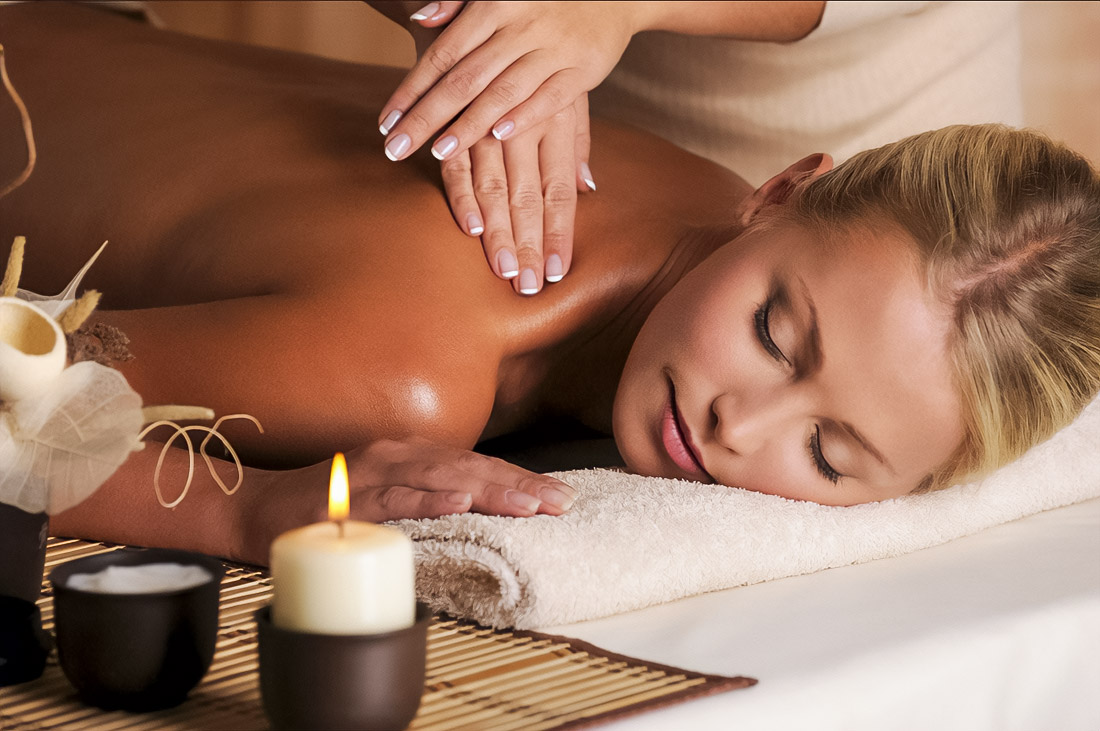
Next is recovery. Manual therapy, deep massage, deep tissue massage, deep tissue work, stretching and breathing help to reduce muscle stiffness and restore flexibility. The thermal effect is highlighted separately: deep heating of tissues at a temperature of 43-63 ° C is able to relax muscles and maintain joint mobility. For such recovery procedures, the duration of 60-90 minutes is mentioned, and the effect can last up to two weeks provided that the person does not “disrupt” the regime and does not force himself into overload again.
The principle of injury prevention is also important. Regularity solves more than one-time heroic attempts. A gradual increase in exercise, attention to pain (not to the usual muscular “pleasant” fatigue, but to pain), and recovery from sports all this helps to keep the body in working order, regardless of whether it has become colder or hotter.

Basketball fan, dreamer, hiphop head, Mad Men fan and identity designer. Operating at the intersection of simplicity and programing to create not just a logo, but a feeling. I prefer clear logic to decoration.